

Юрій Загута із села Сліпород на Глухівщині любив прості речі — роботу з деревом, риболовлю та тишу рідного дому. Разом із братом висаджував дерева біля материнської хати, майстрував меблі й завжди поспішав допомогти близьким. Попри астму та непридатність до служби, після початку повномасштабної війни він повернувся з-за кордону, щоб захищати Україну. Загинув Юрій у Серебрянському лісі на Луганщині — серед дерев, які війна перетворила на згарище.
Змалку звик покладатися лише на себе
Після ранньої смерті батька мама Юрія сама виховувала двох синів. Тож хлопці швидко подорослішали й навчилися давати раду господарству.
«Приходили зі школи самі, їжа була готова, у хаті натоплено. І по господарству теж усе робили самі», — згадує мати Олена Загута.
Юрій ріс спокійним і добрим. Часто приносив додому покинутих котів та собак, доглядав їх. Ще однією його пристрастю стала деревина. Спершу навчався на будівельника в агротехнічному коледжі, пізніше здобув вищу освіту, але зрештою обрав фах столяра.
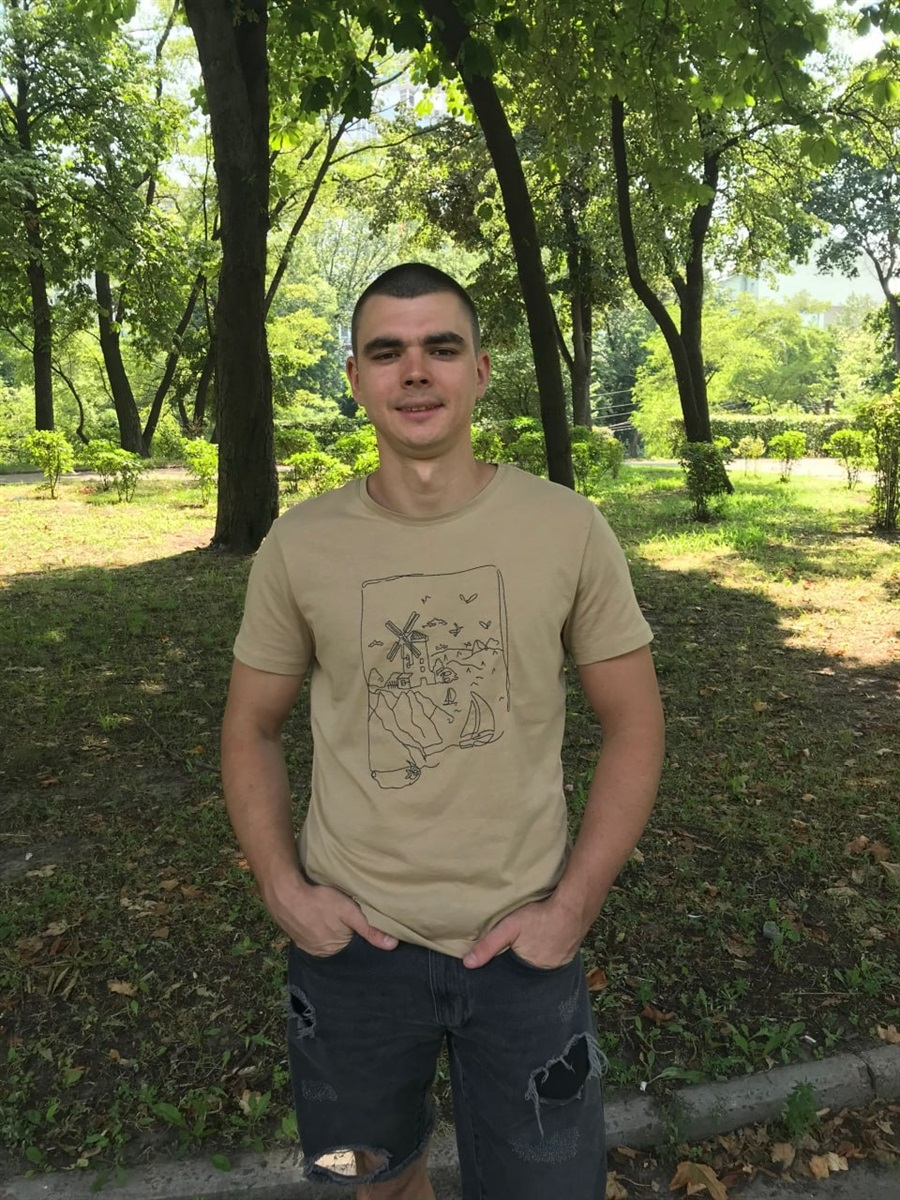
У домі й досі залишилися речі, зроблені його руками — табурети, скриньки, годинники, меблі та кухня, яку він разом із братом зібрав самостійно.
«Юра завжди казав: “Напишіть список, що треба зробити”. Приїжджав додому — і одразу брався до роботи», — говорить мама.
Попри астму вирішив стати до війська
Ще у 2014 році Юрій хотів піти захищати країну, але через астму його не взяли до армії. Незадовго до повномасштабної війни він працював у Хорватії. Дізнавшись про вторгнення, одразу вирішив повертатися.
Мати пригадує: син мав офіційний висновок про непридатність до служби, але це його не зупинило.
«Коли був підлітком, спеціально затримував дихання на медоглядах, аби не чути хрипів і не виглядати слабким перед іншими», — каже жінка.
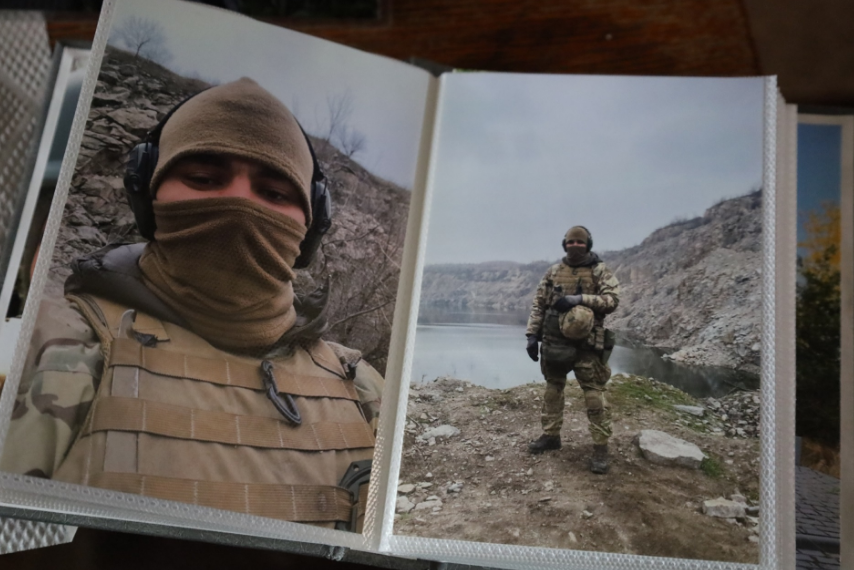
Після повернення в Україну Юрій намагався вступити до війська в різних містах, але скрізь отримував відмову через стан здоров’я. Згодом його все ж мобілізували у Вінниці.
Спочатку служив у Нацгвардії, а навесні 2022 року перевівся до «Азову».
«Якщо буде зв’язок — напишу»
Мама просила Юрія хоча б двічі на день виходити на зв’язок — зранку та ввечері. Поки був на ротації, він намагався це робити. Але згодом попередив: на бойових виходах телефони можуть залишати.
Юрій воював на Запорізькому та Донецькому напрямках, а потім — у Серебрянському лісі на Луганщині. Перед останньою ротацією зміг ненадовго приїхати додому.
«Він казав, що просто хоче виспатися. Дуже втомився», — пригадує мама.
Того дня, коли син повернувся на фронт, у дворі раптово зламалося велике дерево. Пані Олена й досі згадує це як тривожний знак.
Побратими розповідали: останні бої були надзвичайно важкими — постійні обстріли, безперервний вогонь і майже жодної можливості сховатися.
«Хлопці казали, що Юра ніби безсмертний був. У таких ситуаціях виживав», — додає жінка.
Виніс із поля бою загиблого побратима
23 листопада 2023 року Юрій перестав виходити на зв’язок.
«Я все чекала. Думала: буде зв’язок — напише. Але цього разу не написав», — говорить мати.
Юрію назавжди залишилося 32 роки.
Після його загибелі пані Олені написала мати одного з побратимів. Вона розповіла, що саме Юрій виніс тіло її сина з позицій, які захопили росіяни.
«Вона дякувала, що тепер може приходити до могили своєї дитини», — каже жінка.
Пам’ять, яка росте разом із деревами
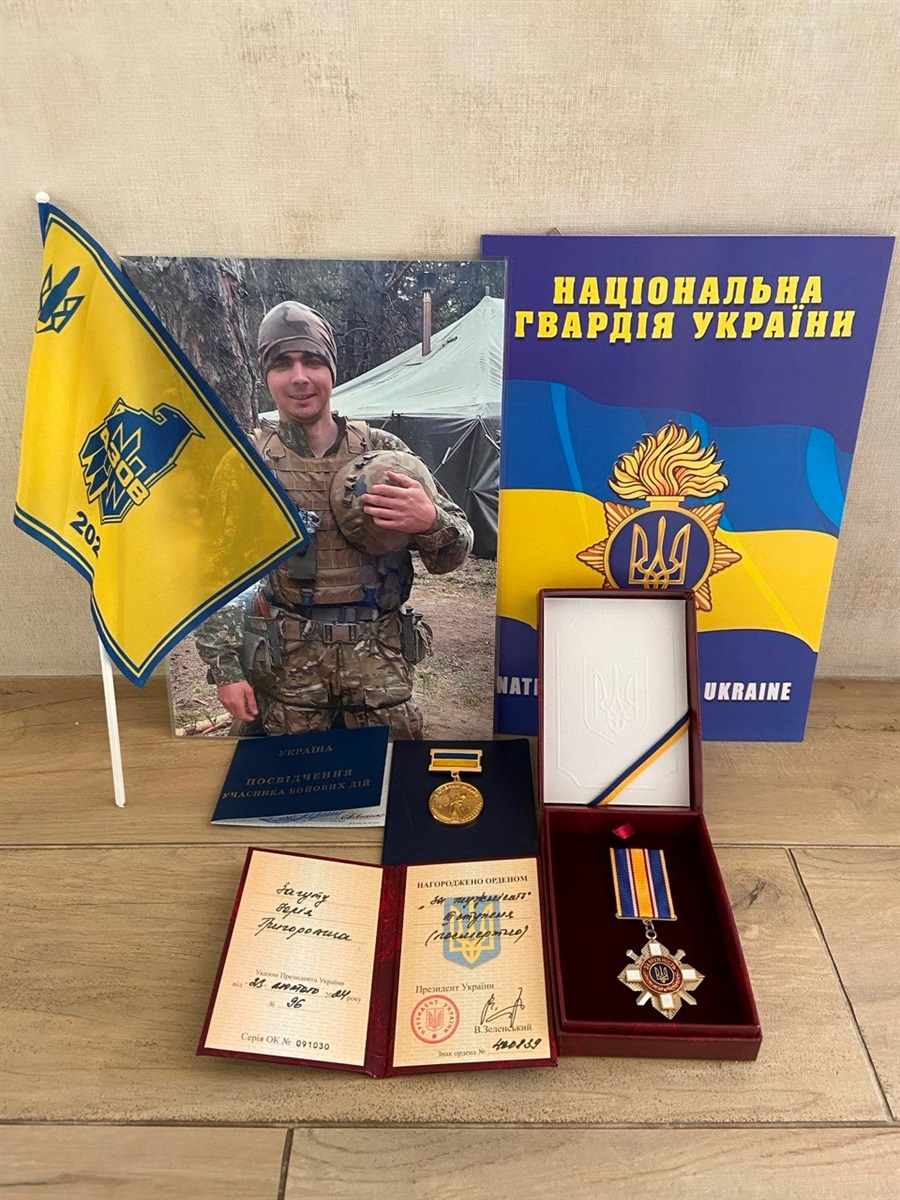
За службу Юрія нагородили медаллю «Ветеран війни. Учасник бойових дій», а посмертно — орденом «За мужність» III ступеня.
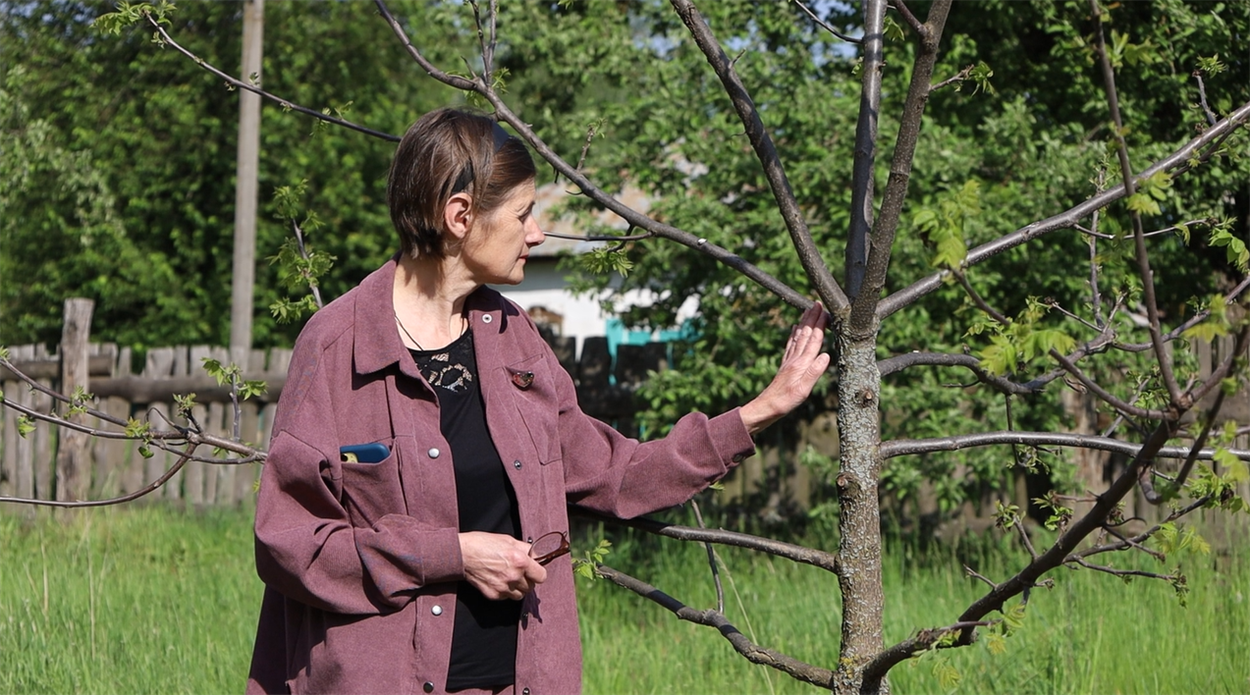
Власну сім’ю він створити не встиг. Але біля материного дому залишив іншу живу пам’ять — дерева, які висаджував разом із братом. Щороку вони стають вищими.
Після загибелі сина пані Олена активно долучається до меморіальних акцій та заходів пам’яті. Вона переконана: суспільство має навчитися щодня вшановувати полеглих захисників.
«Цю пам’ять потрібно виховувати. Люди мають розуміти, якою ціною ми сьогодні живемо», — говорить вона.
Translation into English
Yurii Zaguta, from the village of Sliporod in the Hlukhiv district, loved simple things — working with wood, fishing, and the peace and quiet of his family home. Together with his brother, he planted trees near his mother’s house, made furniture, and was always quick to help his loved ones. Despite suffering from asthma and being unfit for military service, he returned from abroad to defend Ukraine once the full-scale war began. Yurii was killed in the Serebryanskyi Forest in the Luhansk region — amongst the trees that the war had reduced to ashes.
From a young age, he was used to relying only on himself
After his father’s early death, Yurii’s mother raised her two sons on her own. So the boys grew up quickly and learnt to manage the household.
“They’d come home from school on their own; dinner was ready, and the house was warm. And they did all the farm work themselves too,” recalls his mother, Olena Zaguta.
Yurii grew up to be calm and kind. He often brought home abandoned cats and dogs and looked after them. Woodworking became another of his passions. He initially trained as a builder at an agricultural college, later went on to higher education, but ultimately chose the trade of a carpenter.
The house still contains items he made with his own hands — stools, boxes, clocks, furniture and a kitchen unit that he and his brother assembled themselves.
“Yura always said: ‘Write a list of what needs doing.’ He’d come home — and get straight to work,” says his mum.
Despite his asthma, he decided to join the army
Back in 2014, Yurii wanted to go and defend his country, but he wasn’t accepted into the army because of his asthma. Shortly before the full-scale war broke out, he was working in Croatia. Upon hearing about the invasion, he immediately decided to return.
His mother recalls: her son had an official medical certificate stating he was unfit for service, but that didn’t stop him.
“When he was a teenager, he would deliberately hold his breath during medical examinations so that his wheezing wouldn’t be heard and he wouldn’t appear weak in front of others,” she says.
After returning to Ukraine, Yurii tried to enlist in the army in various cities, but was turned down everywhere due to his health. Eventually, he was mobilised in Vinnytsia.
He initially served in the National Guard, and in the spring of 2022 he transferred to Azov.
“If I’ve got signal, I’ll get in touch”
Yurii’s mum asked him to get in touch at least twice a day—in the morning and in the evening. While he was on rotation, he tried to do so. But later he warned her that they might have to leave their phones behind when going out on combat missions.
Yurii fought in the Zaporizhzhia and Donetsk sectors, and then in the Serebryanskyi Forest in the Luhansk region. Before his last rotation, he managed to come home briefly.
“He said he just wanted to catch up on some sleep. He was very tired,” his mum recalls.
On the day her son returned to the front, a large tree suddenly snapped in the yard. Olena still remembers this as an ominous sign.
His comrades told her: the final battles were extremely gruelling — constant shelling, unceasing fire and almost no chance to take cover.
“The lads said Yura was as if he were immortal. He survived in situations like that,” adds the woman.
He carried his fallen comrade off the battlefield
On 23 November 2023, Yurii stopped getting in touch.
“I kept waiting. I thought: as soon as he gets a signal, he’ll write. But this time he didn’t,” says his mother.
Yurii was 32 years old when he died.
After his death, the mother of one of his comrades wrote to Olena. She told her that it was Yurii who had carried her son’s body out of the positions that had been captured by the Russians.
“She thanked me, saying that now she could visit her child’s grave,” says the woman.
A memory that grows alongside the trees
Yurii was awarded the ‘War Veteran. Combatant’ medal for his service, and posthumously received the Order ‘For Courage’, 3rd class.
He did not have time to start a family of his own. But near his mother’s home, he left another living memorial — the trees he planted together with his brother. Every year, they grow taller.
Since her son’s death, Olena has been actively involved in memorial campaigns and commemorative events. She is convinced that society must learn to honour the fallen defenders every day.
“This memory must be nurtured. People need to understand the price at which we live today,” she says.
This material was supported by Documenting Ukraine, a project of the Institute for Human Sciences (IWM Vienna).
Слідкуйте за нами у соцмережах: Telegram, Facebook, Instagram, Viber, WhatsApp