

“Я йому казала: “Толік, війна ж іде, росіяни можуть сюди прийти”. А він відповідав: “Мам, ми їх сюди не пустимо”. Він вірив, що зупинить ворога там, на фронті”, — зі сльозами згадує Марія Семерня свого сина Анатолія.
Поки чоловік воював проти російських окупантів, його організм непомітно виснажувала важка хвороба. Про службу, боротьбу з раком і останні місяці життя Анатолія Семерні з Глухівщини — далі у матеріалі.
Із сільського поля — на війну
Анатолій народився й виріс у Полошках на Глухівщині. Все його життя було пов’язане із селом і важкою працею. Спочатку працював трактористом, потім — у господарстві та на різних підробітках.
“Трохи працював у “Велетні”, і на фермі був, і зі скотом. Потім їздив на різні заробітки”, — розповідають батьки.
Згодом чоловік залишився допомагати вдома. Для своїх батьків — Петра та Марії — він став головною опорою.
“І в ліс за дровами їздив, і по господарству допомагав, і городи обробляв. Усе робив”, — кажуть вони.
У 2023 році Анатолій отримав повістку. Батьки пригадують: довго не роздумував.
“Сказав тільки: “Піду воювати. Піду захищати Україну”, — згадує мати.
До цього він ніколи не тримав у руках зброї. Пройшов навчання на Житомирщині, а після потрапив до 31-ї бригади та вирушив на Донецький напрямок.
“Не дзвоніть, я сам наберу”
Про війну Анатолій майже нічого не розповідав. Рідних беріг від зайвих хвилювань.
“Я питала хлопців із бригади: “Як там мій Толік?”. А вони відповідали лише: “Бабо, все добре””, — каже Марія.
Попри бойові завдання, він старався щодня телефонувати батькам.
“Казав: “Коли я на позиції — не телефонуйте. Можуть відстежити”. Тому ми чекали, поки сам подзвонить. А як довго не виходив на зв’язок — ходиш і місця собі не знаходиш”, — ділиться мати.
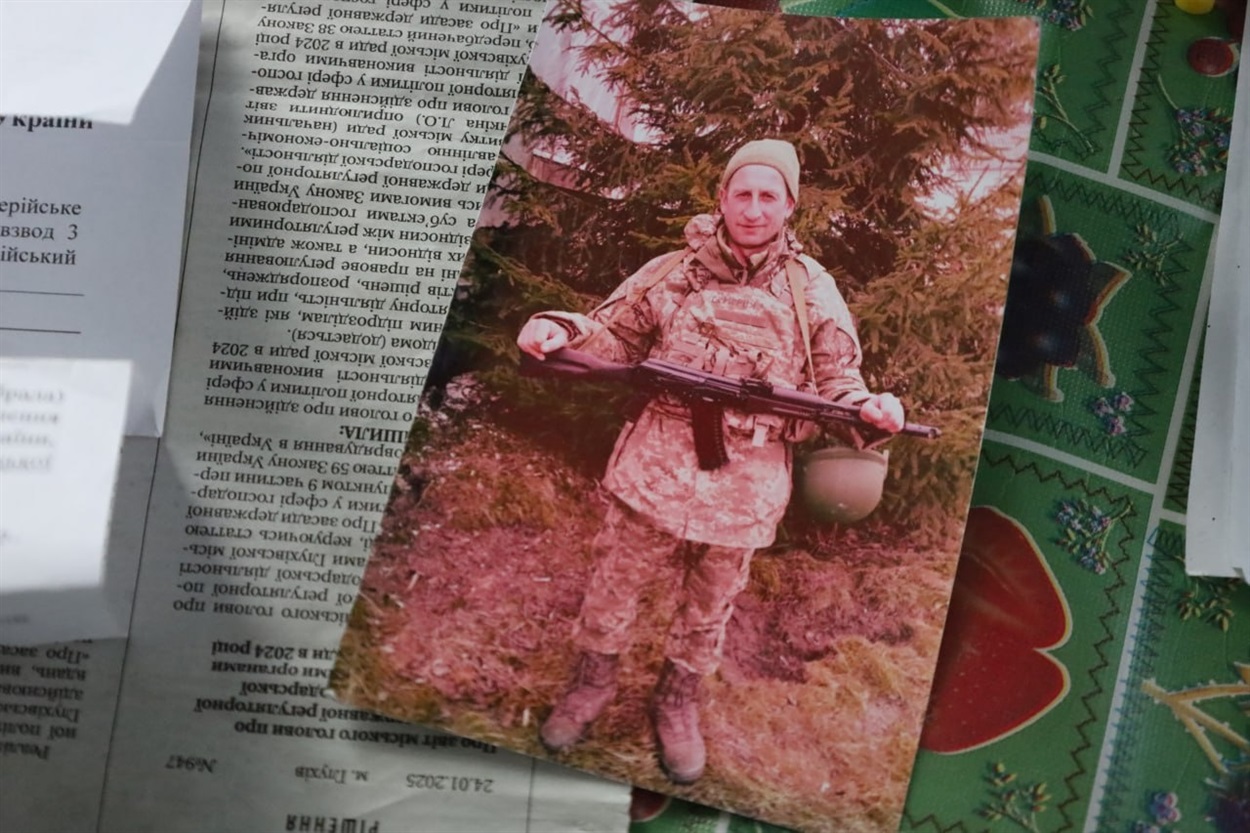
Згодом здоров’я Анатолія почало погіршуватися. Та навіть тоді він мовчав про свій стан.
“Ми нічого не знали. Уже в лікарні він зізнався: “Мам, я ще місяць у такому стані воював””, — зі сльозами розповідають батьки.
Страшний діагноз
Про рак стравоходу мати дізналася лише тоді, коли приїхала до сина в госпіталь у Дніпрі.
“Лікарі одразу сказали, що в нього рак і шансів майже немає. Я тоді повернулася додому й не знала, куди себе подіти”, — говорить жінка.
Потім Анатолія перевели до Києва, а згодом — до Сум. Сам чоловік до останнього заспокоював матір.
“Він постійно повторював: “Мамо, у мене нічого не болить””.
Коли його перевели до Сумської лікарні, Марія вже розуміла, що лікарі готують родину до найгіршого.
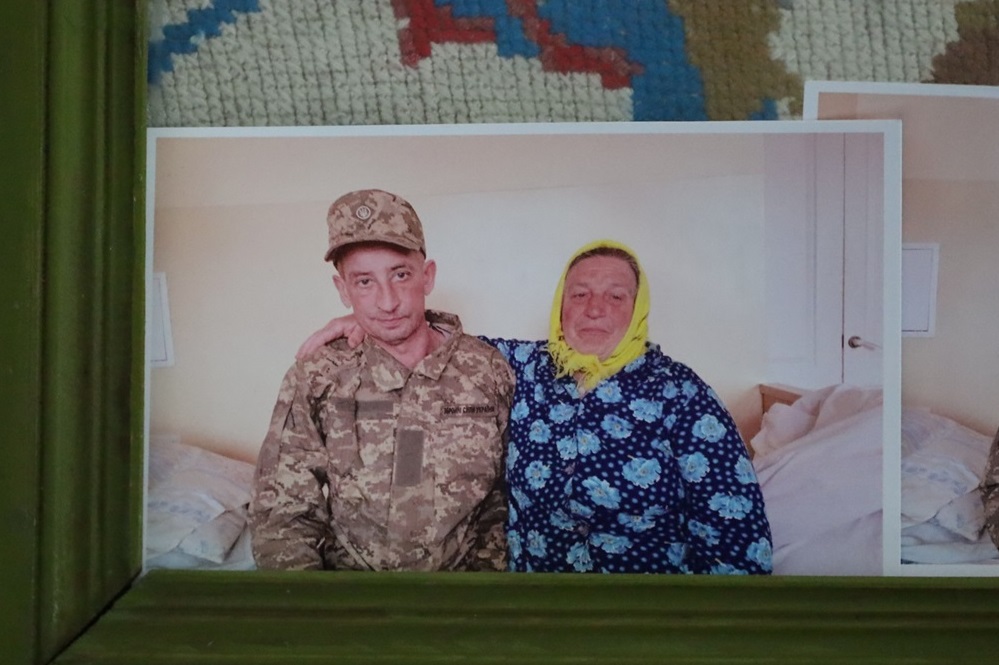 Марія Михайлівна разом із сином у лікарні
“Я запитала: “Толік, чого тебе перевели ближче до дому?”. А він відповів: “Так лікарі сказали”. А я вже все розуміла”, — каже мати.
У Сумах лікарі попросили її залишитися біля сина, бо він уже не міг самостійно підводитися.
“Лікарка тоді сказала мені: “Ваш син до кінця місяця не доживе””, — згадує жінка.
22 квітня 2024 року серце Анатолія Семерні зупинилося. Йому було 48 років.
“Усім допомагав”
Батьки згадують сина як дуже працьовиту та чуйну людину.
“Хороший був. Добрий. Якщо хтось просив допомогти — ніколи не відмовляв. Треба покосити чи допомогти по господарству — одразу йшов”, — кажуть вони.
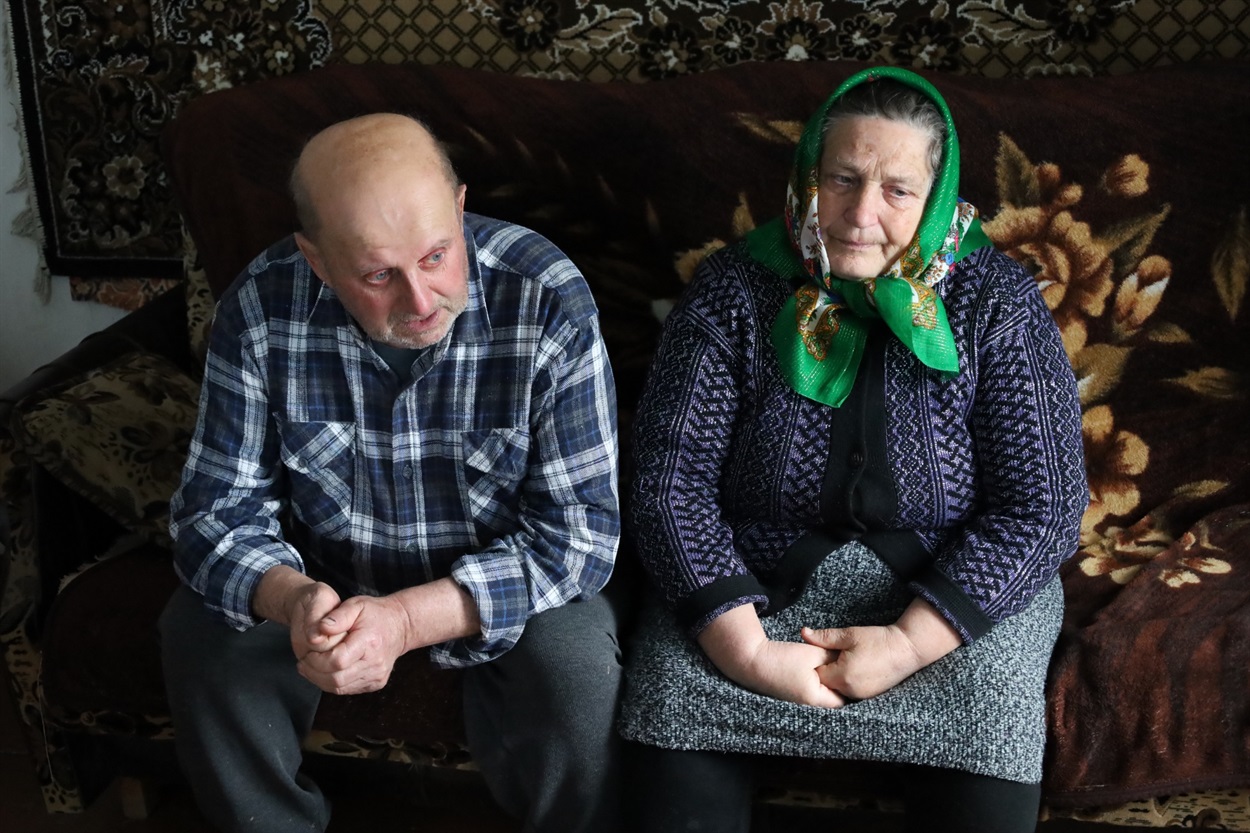
Односельці поважали Анатолія за його щирість і готовність підтримати інших. Тепер Петро та Марія залишилися самі у своєму будинку. Анатолій не встиг створити власної сім’ї, а його брати живуть в інших містах.
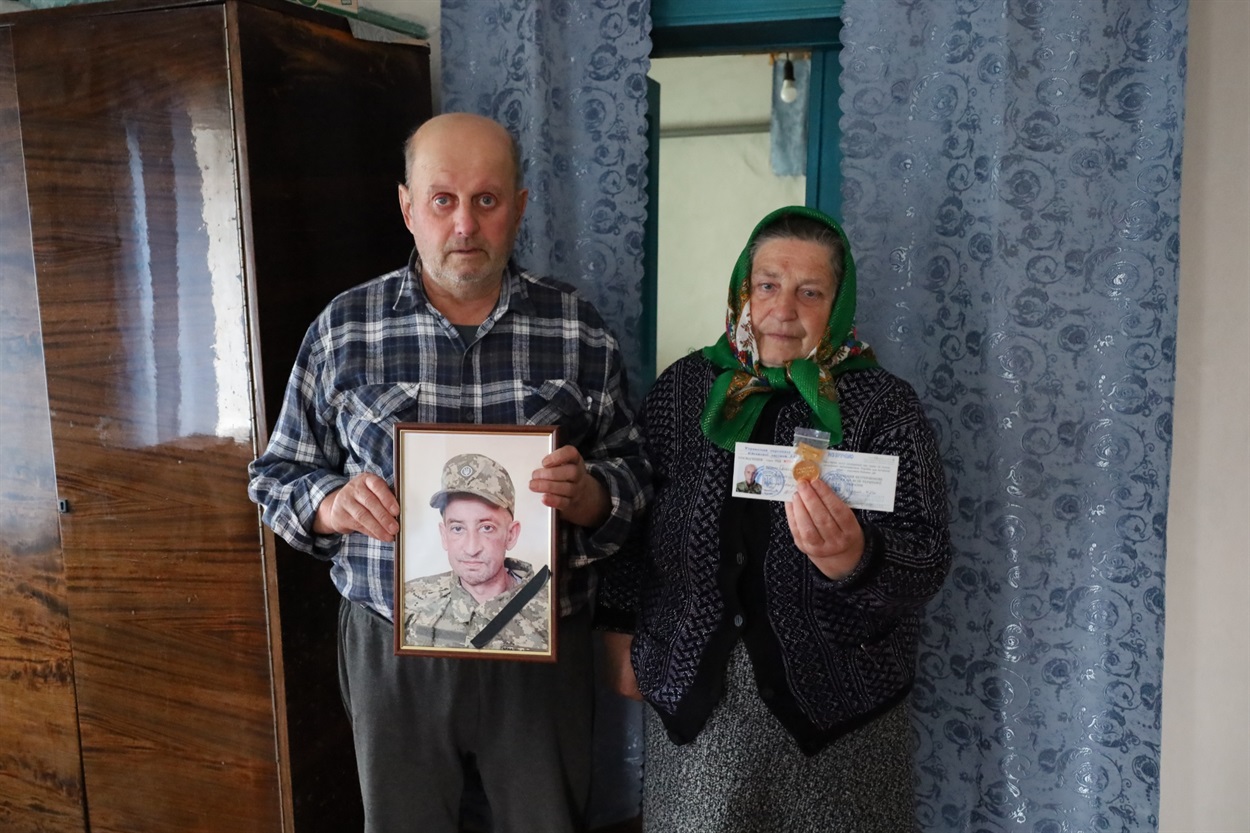
Найчастіше вони говорять із сином, дивлячись на його фотографію.
“Розповідаємо йому про свій день, про новини в селі, про все, ніби він досі поруч”, — тихо каже мати.
Translation into English
“I used to say to him: ‘Tolik, there’s a war on; the Russians might come here.’ And he would reply: ‘Mum, we won’t let them in.’ He believed he would stop the enemy there, on the front line,” recalls Maria Semernya, with tears in her eyes, speaking of her son Anatoliy.
While her husband was fighting against the Russian occupiers, a serious illness was quietly wearing him down. Read on for more about Anatoliy Semerny’s service, his battle with cancer and the final months of his life in the Hlukhiv region.
From the countryside to the front
Anatoliy was born and raised in Poloshky, in the Hlukhiv district. His whole life was tied to the village and hard work. At first he worked as a tractor driver, then on the farm and doing various odd jobs.
“He worked for a while at ‘Veleten’, and on the farm, looking after the livestock. Then he went off to do various odd jobs”, — his parents recount.
Eventually, he stayed behind to help at home. For his parents — Petro and Maria — he became their main support.
“He went into the woods for firewood, helped on the farm, and tended the vegetable patches. He did everything”, — they say.
In 2023, Anatoliy received his call-up papers. His parents recall that he didn’t hesitate for long.
“He just said: ‘I’m going to fight. I’m going to defend Ukraine’”, — recalls his mother.
Before that, he had never held a weapon. He underwent training in the Zhytomyr region, and afterwards was assigned to the 31st Brigade and sent to the Donetsk sector.
“Don’t ring me, I’ll ring you myself”
Anatoliy hardly ever spoke about the war. He didn’t want to worry his family unnecessarily.
“I’d ask the lads in his brigade, ‘How’s my Tolik over there?’ And they’d just reply, ‘Mum, everything’s fine’”, — says Maria.
Despite his combat duties, he tried to ring his parents every day.
“He’d say: ‘When I’m at my post, don’t ring. They might track us down.’ So we waited for him to ring us. And when he didn’t get in touch for a long time, you just pace about, unable to sit still”, — his mother shares.
Eventually, Anatoliy’s health began to deteriorate. But even then, he kept quiet about his condition.
“We knew nothing. It was only in hospital that he confessed: ‘Mum, I fought in this condition for another month’”, — his parents recount, in tears.
A devastating diagnosis
His mother only found out about his oesophageal cancer when she visited her son in hospital in Dnipro.
“The doctors told me straight away that he had cancer and that he had almost no chance of survival. I went home then and didn’t know what to do with myself”, — she says.
Anatoliy was then transferred to Kyiv, and later to Sumy. The man himself reassured his mother right up to the end.
“He kept saying: ‘Mum, I’m not in any pain’.”
When he was transferred to the hospital in Sumy, Maria already realised that the doctors were preparing the family for the worst.
“I asked: ‘Tolya, why have they moved you closer to home?’ And he replied: ‘That’s what the doctors said.’ But I already understood everything”, — says his mother.
In Sumy, the doctors asked her to stay with her son, as he could no longer get up on his own.
“The doctor then told me: ‘Your son won’t live to see the end of the month’”, — recalls the woman.
On 22 April 2024, Anatoliy Semerni’s heart stopped. He was 48 years old.
“He helped everyone”
His parents remember their son as a very hard-working and caring person.
“He was a good lad. Kind. If anyone asked for help, he never turned them down. Whether it was mowing the lawn or helping out around the farm, he’d go straight away”, — they say.
The villagers respected Anatoliy for his sincerity and willingness to support others. Now Petro and Maria are left alone in their house. Anatoliy didn’t have time to start a family of his own, and his brothers live in other towns.
Most often, they talk to their son while looking at his photograph.
“We tell him about our day, about the news in the village, about everything, as if he were still here”, — his mother says quietly.
This material was supported by Documenting Ukraine, a project of the Institute for Human Sciences (IWM Vienna).